 MOBA
MOBALeague of Legends Champions: 173 Picks, Five Roles, Where to Start
The Roster in 2026
As of mid-2026, League of Legends has grown to 173 playable champions, a number that has climbed steadily since the game launched with 40 picks back in October 2009. The most recent addition is Locke, the Ashen Exorcist, a burst-style AP assassin built for the mid lane who arrived on June 24, 2026 in patch 26.13. What makes this release unusual is that Riot has confirmed Locke is the only brand-new champion shipping in all of 2026. Most of the champion team is reportedly pulled onto a larger "League Next" overhaul planned for 2027, so the roster is holding steady at 173 for now rather than expanding at the pace it kept between 2019 and 2025.
For a new or returning player this is reassuring news. You are not expected to learn all 173 champions, and nobody ever has. The depth of the roster is exactly what gives League its endless variety, but it is also the single biggest reason newcomers feel paralyzed in champion select. The smart way to approach it is to treat the champion list as a library you borrow from, not a syllabus you must finish. Pick a small, comfortable set, learn the game through those picks, and let the rest of the roster reveal itself only when a specific matchup or curiosity calls for it.
If you want a concrete number to aim at, build toward roughly ten champions you are genuinely comfortable on, spread so that at least one sits in each role. That is more than enough to climb, and far less daunting than the full 173.
The Five Roles
Every champion fits into one of five roles, and understanding those roles is the foundation of everything else you will learn:
- Top Lane is usually a durable fighter or tank who can hold a side lane alone and teleport to teamfights when needed.
- Jungle is a roaming role that farms neutral camps and creates pressure by ganking the three lanes and securing objectives.
- Mid Lane sits in the center with short laning distances, often a mage, assassin, or burst champion who can influence both sides of the map.
- Bot Lane (ADC) is a marksman who scales into a late-game damage carry, almost always paired with a support.
- Support is the utility-focused role that provides vision, crowd control, and protection, especially for the bot lane.
Locke, the newest champion, slots into mid lane as an assassin. But you do not need to play the newest champion to enjoy or improve at the game. The five roles were stable long before Locke arrived, and they will remain the structure you learn first. When you read a champion's description, the role tag tells you immediately how that champion is meant to be played and where they belong on the map.
Free Rotation and Your First Picks
Each week Riot offers a rotating pool of around 15 free champions that any account can use regardless of what it owns. This rotation is your low-risk laboratory. Before you spend Blue Essence (earned simply by playing games and leveling up) to unlock a champion permanently, try them on the free list first. The newest champions like Locke typically are not in the rotation immediately after release, but the overwhelming majority of the 173-deep roster cycles through over time.
A useful habit is to keep a short list of three roles you want to learn and test one candidate from each on the free rotation. If a champion clicks with your playstyle, unlock them. If not, wait for the next week and try a different one. This keeps your early spending focused instead of scattered across impulse buys, and it means the champions you do unlock have already survived a real test drive.
Remember that every champion is reachable with Blue Essence alone. No pick is locked behind real money, so the only currency you are really managing is your attention.
Pick Your First Three Wisely
When you are starting out, build a starter trio that covers different situations rather than three versions of the same idea:
- A blind-safe pick - something forgiving that works in most matchups. For many newcomers this is a straightforward fighter or tank in top lane, or a simple mage mid. The goal is a champion whose kit you can read at a glance and whose mistakes are not instantly punished.
- An into-melee pick - a champion that punishes opponents who try to run you down in close combat, such as a ranged mage or a kite-based marksman. This teaches you spacing, trading, and how to survive aggression.
- A pocket pick - one comfort or off-meta champion you pull out when your main is banned or the matchup is terrible. Keep it simple so it does not become a second full-time commitment.
You do not need one pick for every role on day one. You need three champions you understand deeply enough to outplay opponents who are still reading their own abilities. Depth on a few picks translates directly into better map awareness, because your hands stop thinking about the kit and start thinking about the game.
Mastery Beats Novelty
The biggest trap in League is chasing every new release. When a champion like Locke launches, the whole player base rushes to try them, queues get chaotic, and win rates swing wildly for a few weeks. That novelty window is fun, but it is a poor way to climb. A player who has dozens of games on one dependable champion will almost always beat a player trying a brand-new champion for the first or second time, simply because the experienced player is already thinking two steps ahead.
Mastery compounds. The more you play a champion, the less mental energy you spend on where your abilities go and the more you spend on the map, your opponents, and the objective timer. That freed-up attention is where real skill lives. So by all means try Locke and the next release when they hit the free rotation, but anchor your ranked climb on champions you have actually mastered.
A simple rule of thumb: aim for at least 30 to 50 games on a champion before you judge whether they are "your" pick. Before that threshold you are still learning the kit, and your win rate says more about the learning curve than the champion. Depth of a few picks will carry you far further than shallow familiarity with the whole 173-deep roster, and it keeps the game feeling fresh instead of overwhelming.
A Quick Starter Checklist
- Decide which two or three roles you enjoy watching and want to learn first.
- Use the free weekly rotation to test one candidate per role before unlocking anything.
- Build a trio: one blind-safe, one into-melee, one pocket pick.
- Commit to 30 to 50 games per champion before swapping.
- Resist the urge to unlock every new release the moment it drops.
- When you do expand, add one champion at a time and learn them properly.
The roster is huge, but your journey through it is small and deliberate. Start with a few champions you trust, learn the five roles around them, and let curiosity - not FOMO - pull you toward the next pick when the time is right.
Reading Champion Select: Pick Order, Hover Psychology, and Ban Value
Champion select starts before a single champion is locked, and your slot in that order dictates how much information you owe your team and how much risk you can afford to take. Early picks should almost always go to your most blind-safe champion — one whose kit functions acceptably no matter what the opponent answers with. Late picks exist to exploit information: once the enemy has committed to their top laner, jungler, and mid laner, your last pick can be a hard counter or a missing link in your own team composition rather than a safe default.
Hovering your champion is information you volunteer for free. Hover early and you hand the enemy a clean counterpick window; hover late and you keep that advantage while still signalling intent to your own team. The practical rule is this: if your pick comes before the enemy has revealed the champion you will lane against, hover only a role-appropriate decoy or nothing at all. If your pick comes after they have committed, hover immediately so your teammates can draft around you and so nobody else locks the same role.
| Draft slot | What to pick | Why it works |
|---|---|---|
| First rotation | Blind-safe or flex champion | You reveal nothing and lose nothing to a counter |
| Middle slots | Your most even-matchup comfort pick | Absorbs whatever they counter your first picks with |
| Last slot | A hard counter or the missing piece (engage, magic damage, frontline) | Maximum information available |
Ban value is not the same thing as win rate. A champion can be statistically mediocre and still deserve the ban because your specific team has no answer to it, because it counters the one champion you actually know how to play, or because it reliably panics your teammates into bad fights. Ban for those reasons, not because a tier list said so. Conversely, a high ban rate is not proof a champion is strong in your bracket — it often just means the champion is annoying to fight.
Wave State Is the Strongest Early "Item" You Own
Below the level where items matter, the minion wave decides nearly every trade. Attacks from minions are free damage that costs your opponent nothing, so any extended exchange fought while you are standing inside their wave is an exchange you lose even if your champion is stronger. This is why the same "even" trade feels unlosable in one state and unwinnable in another — the difference is usually three or four extra minions.
Use each wave state deliberately rather than letting it happen:
| Wave state | Build it when | What it buys you |
|---|---|---|
| Slow push | You want a big crash before recalling or roaming | A large wave that takes a long time to die and covers your absence |
| Fast / hard shove | You need to leave lane now or reset the wave after a kill | Gets minions under tower so the opponent loses gold to it |
| Freeze | You are stronger in a long lane and want to deny them | Holds the wave near your tower, forcing them to overextend for farm |
| Cannon wave | You are planning a reset or a dive | Cannon minions tank a lot of tower damage and survive long pushes |
Level-up timing is the other half of lane control. Reaching level two before your opponent — commonly around seven minions in a solo lane and around nine in a duo lane — grants a temporary window where you have a second ability and slightly higher base stats while they have neither. That window is only a few seconds wide, but it is the highest-percentage aggression you will ever get. If you are about to hit level two and they are not, walk forward before the minion dies so you are already in range the moment the level-up lands. Equally, recognise the reverse: if the enemy is holding a wave advantage and is close to their own level-up, give up the last hit rather than take a full rotation for it.
Three Lane Failure Modes and Their Actual Fixes
Most recurring lane problems have one identifiable cause, and none of them are mechanical.
| Failure mode | Why it happens | The specific fix |
|---|---|---|
| Every trade feels even or worse despite playing a strong champion | You are trading while standing inside a larger enemy minion wave, or their key ability is still available when you commit | Trade only when you have a minion-count advantage or when their important cooldown is demonstrably down; stand parallel to the minion you intend to last-hit, then step back immediately after the exchange |
| You win a kill and then die or fall behind anyway | You reset on a bad wave, or you stay at low health with no vision of the jungler while the wave pushes back toward them | After a kill, shove the wave in, recall before the opponent returns, and spend — the gold in your pocket is worth nothing until it becomes an item |
| You have kills but no gold lead by ten minutes | Every fight costs you several waves of farm, and you are recalling at random times rather than pushing first | Attach every recall to a wave: crash before you leave, and prefer recalling after a cannon wave so you lose the minimum on the way back |
The thread connecting all three is that timing, not execution, is what low-rank players misjudge. Nearly every "unlucky" death is a decision made one wave earlier. Fixing the decision sequence tends to move your win rate far more than polishing mechanics, because it removes the situations where you need mechanics to survive in the first place.
A Measurable Lane Audit You Can Run in Twenty Minutes
Judge progress with numbers instead of feelings. Two short drills cover most of what actually decides lanes.
The first is a pure farming check. Load a practice game, walk to a lane with no opponent bot, take only your recommended starter items, and last-hit for ten minutes using basic attacks and abilities as normal. Count the creeps you secure and — more importantly — count the ones you missed while you were not being harassed. Any creep missed with nobody attacking you is pure lost gold, and that number is the honest measure of your baseline. Repeat it until the miss count drops, then repeat it again with a bot opponent so you learn the same rhythm while under pressure.
The second is a three-number game log. After every ranked game, write down the minute of your first recall, how many deaths you recorded before finishing your first full item, and how many times you were forced to use a summoner spell before level six. Track nothing else. Across ten games the pattern is usually obvious: either you are recalling too late and losing waves, dying before your first purchase, or burning defensive tools in situations that could have been solved by walking away. Pick whichever column is worst and make that single column your focus for the next ten games. Testing one variable at a time is how you actually measure improvement in a game with this many moving parts.
🏷️ Related Tags
🔥 Topics
Elden Ring: Where to Find Every Ancient Dragon Smithing Stone
Next →Worlds Preview: Three Competing Playstyles to Watch
More “League of Legends” Content
 MOBA
MOBAWorlds Preview: Three Competing Playstyles to Watch
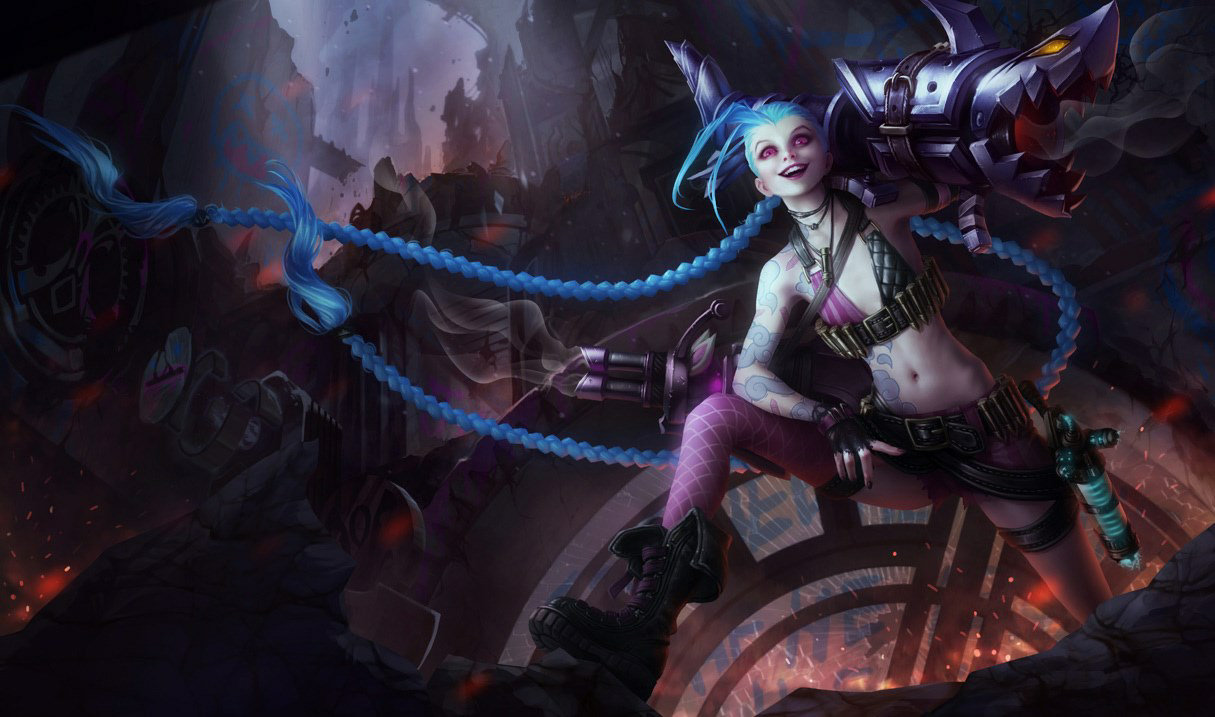
Ahead of the 2026 World Championship, three distinct playstyles are fighting for the meta: maximum macro, early fighting, and flex drafting. Here is what to watch and how patches keep reshaping the field.
 MOBA
MOBAPatch Digest: How Season 2026 Reshapes the Map and Items
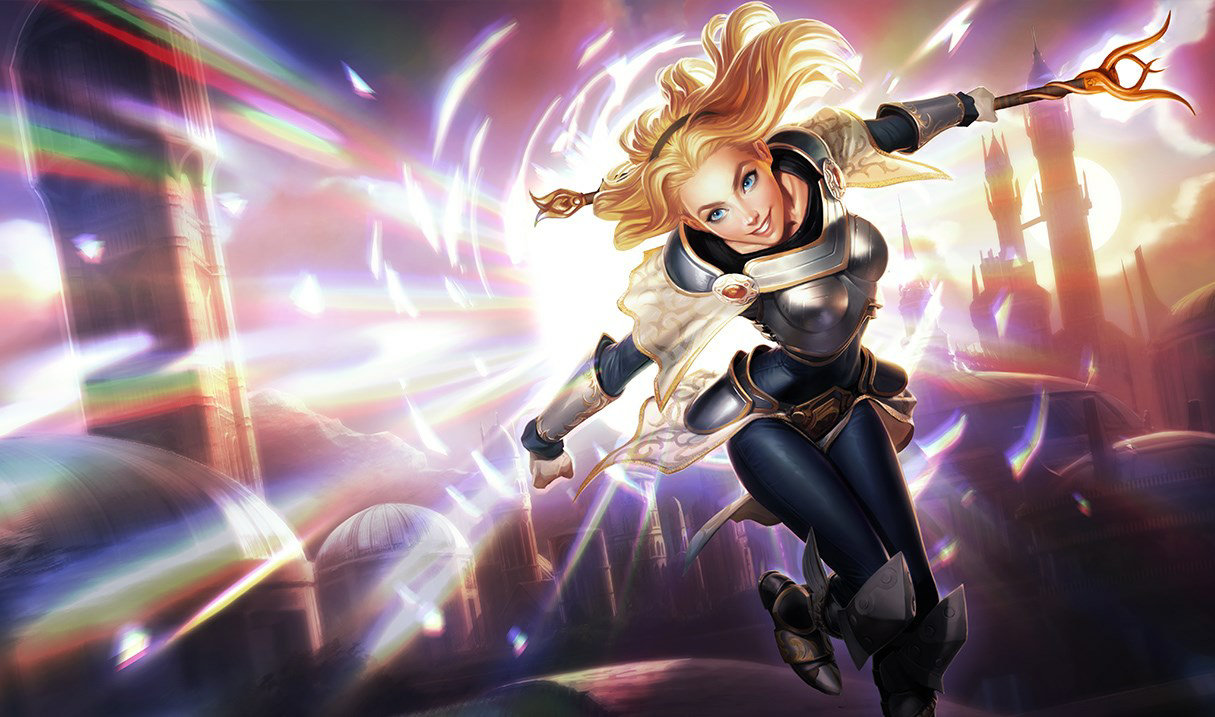
Patch 26.1 rewrites Summoner's Rift for Season 2026: Demacia replaces Noxus as the map, Atakhan and Feats of Strength are gone, and turrets gain permanent plates plus Crystalline Overgrowth. Here is the full digest.
 MOBA
MOBAMid Lane Wave Management: When to Push, Freeze and Slow-Push
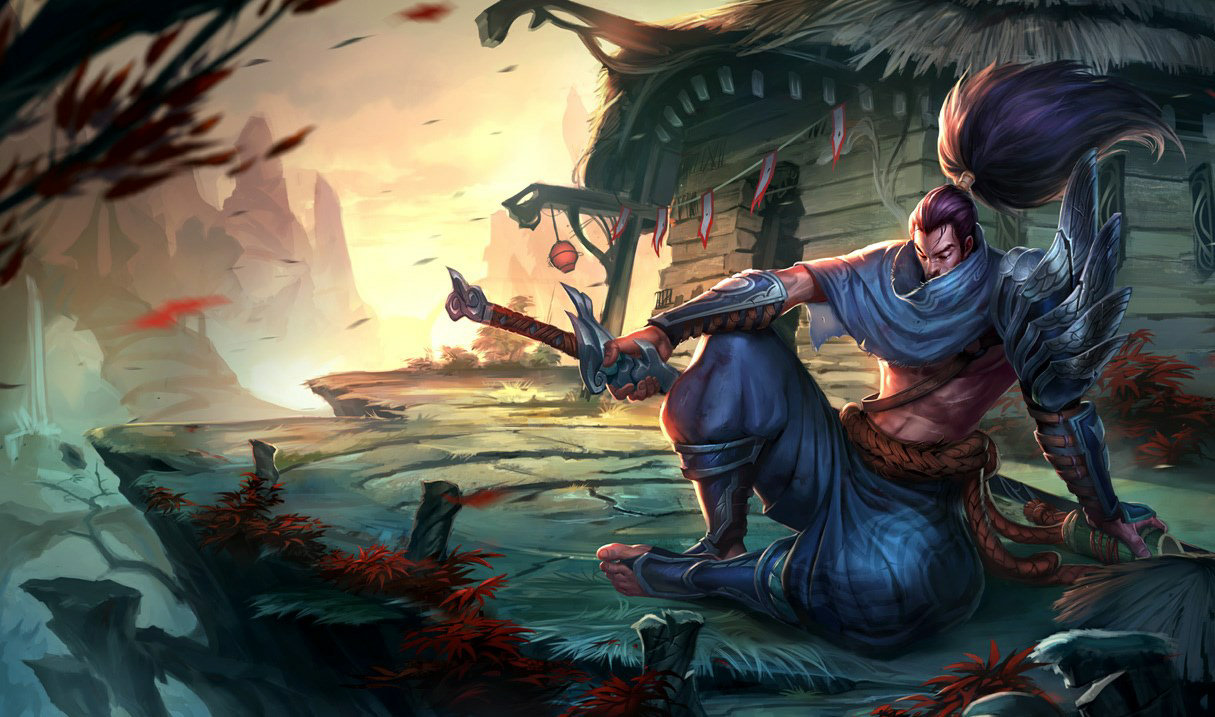
Mid lane is won and lost on wave states. Learn the three core states - push, freeze, and slow-push - plus when to use each, how cannon waves pace your tempo, and the conditions that make a dive safe in 2026.
 MOBA
MOBALoL Jungle Pathing: Routes, Invades, and Reading the Enemy Jungler
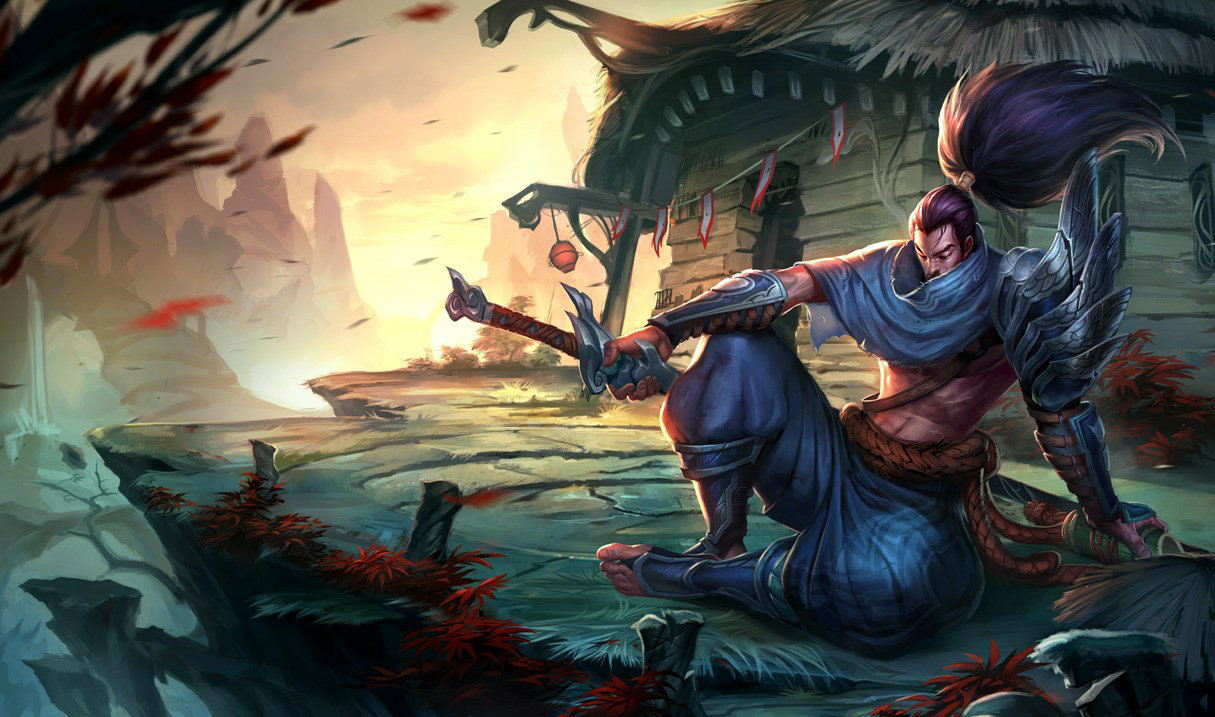
Full clearing every game is the wrong default: this guide explains camp respawn logic, walks four complete routes step by step, teaches you to infer the enemy jungler's position from lane information alone, and gives a route-selection matrix plus a replay diagnosis plan.