 FPS / Shooter
Marvel Rivals: Hero Roster Guide — Roles, Abilities and Playstyles
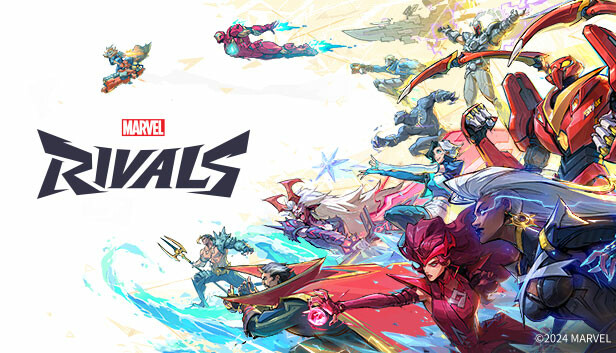
Marvel Rivals is a superhero team PVP shooter that drops two squads of Marvel icons onto destructible, objective-driven maps and lets them settle the fight with everything from repulsor blasts to vibranium claws. Before you can pick a hero with confidence, you need to understand the one label that matters more than any individual ability: the role printed next to the hero's name. Every character on the roster belongs to one of three roles — Vanguard, Duelist or Strategist — and that label tells you what your team expects from you, where you should stand, and how you are supposed to win fights. This guide walks the roster role by role, covering what each hero brings, the abilities behind their kit, and the playstyle that kit rewards.
What the Three Roles Actually Do
Vanguards are the front line. They are built to take space rather than to trade kills. They walk into the objective first, soak the damage aimed at squishier teammates, and body-block any threat that tries to reach the back line. If your team has no Vanguard, it has no ground to stand on.
Duelists are the damage dealers and the finishers. They delete targets, pressure enemy back lines, and decide which team wins the fight once it actually starts. It is the most crowded role on the pick screen and the one new players gravitate toward, which also makes it the hardest role in which to stand out.
Strategists are the supports. They heal, shield, buff and create the openings that let everyone else do their job. With the smallest pool of heroes to draw from, a competent Strategist is always in demand and rarely a wasted pick.
A quick way to remember the difference: Vanguards decide where the fight happens, Duelists decide who wins it, and Strategists decide how long your team survives to fight again.
Vanguards — Taking and Holding Space
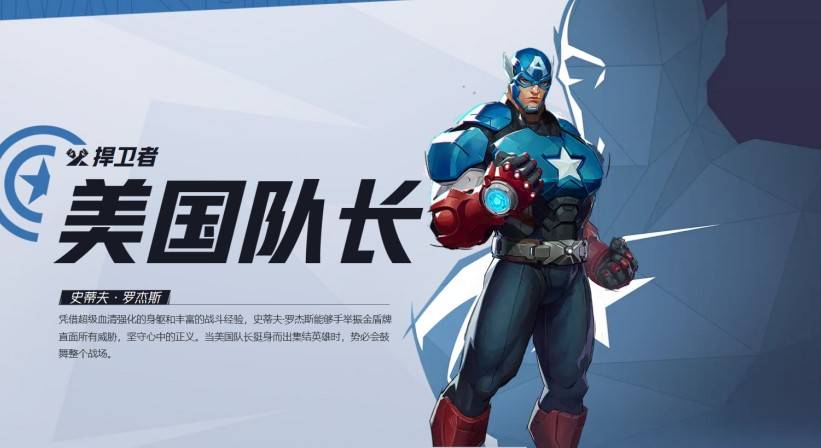
Captain America — Enhanced by the Super-Soldier Serum and hardened by years of combat experience, Steve Rogers faces down any threat with a vibranium shield in hand and a stubborn sense of justice. When Captain America steps forward to rally the heroes, the entire battlefield lifts with him. The secret experiment that created him massively increased his strength, speed and agility and made him the first super-soldier in American history; a mission gone wrong left him frozen beneath the ice and erased from history, and he now fights alongside the Avengers against the future threats he woke up too late to prevent. In practice, Captain America is the archetypal point man. He leads the push, absorbs the opening exchange, and uses his shield both to protect himself and to answer incoming fire. Play him at the front, call the engage, and never let your damage dealers walk into the objective ahead of you.
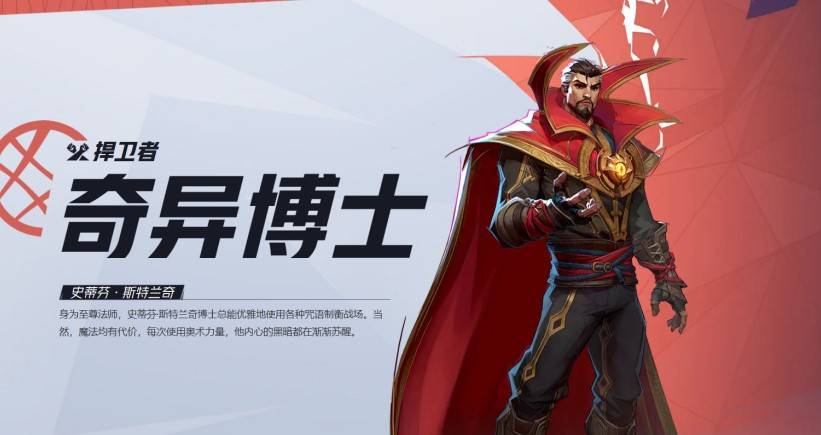
Doctor Strange — As Sorcerer Supreme, Stephen Strange controls the battlefield with an elegant variety of spells, though every act of arcane power carries a price: each casting lets the darkness within him stir a little further. Once a celebrated surgeon, a terrible accident ruined his hands and forced him onto a completely different path, and his single-minded devotion to the mystic arts turned him into the barrier standing between the physical world and supernatural threats. Strange plays as a control-oriented Vanguard. He is not on the field to outdamage anyone; he is there to dictate the terms of the fight, holding chokepoints and punishing enemies who commit to the wrong angle. Expect to win by denying ground rather than by taking heads.
Duelists — Turning Pressure Into Kills
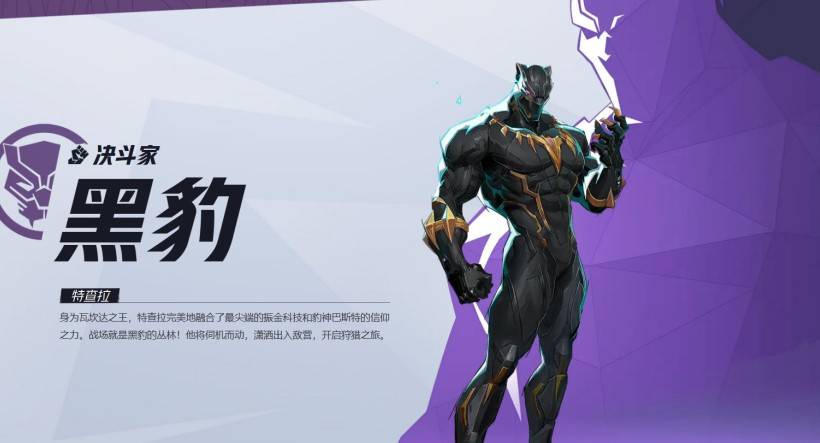
Black Panther — As King of Wakanda, T'Challa perfectly fuses the most advanced vibranium technology with the faith-given power of the Panther God Bast. The battlefield is Black Panther's jungle: he waits for his moment, slips into the enemy lines, and begins the hunt. His rule now stretches beyond Wakanda to the stars, where he governs an intergalactic Wakandan Empire, guards its precious time-crystal supply alongside trusted allies such as Reed Richards, and waits on Bast's guidance to judge whether the two Doctor Dooms deserve any trust at all. That fantasy is exactly how he plays. Black Panther is a hunter who wants isolated targets, not head-on brawls. Hold a flank, watch for a support or a marksman who has drifted away from their team, commit hard, and leave before the rotation arrives. Diving straight into a grouped enemy team is the single fastest way to feed with him.
Strategists — Keeping the Team Standing
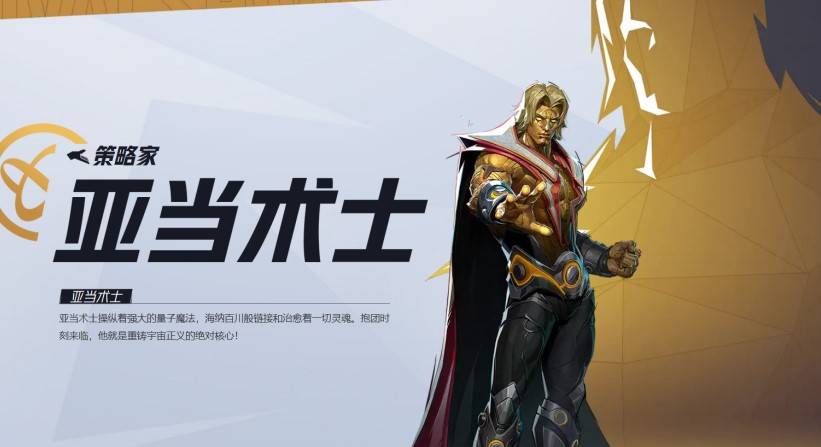
Adam Warlock — Adam Warlock wields powerful quantum magic, connecting and healing every soul around him with an almost boundless reach. When the moment comes to group up, he is the absolute core around which cosmic justice is rebuilt. Crafted as a perfect "human," he represents the evolutionary peak of humanity and commands a formidable cosmic force; until humanity reaches that peak, he stands as a shining beacon lighting the way for good souls. When the time stream entanglement arrived, Warlock instinctively wrapped himself in a cocoon, and during his long quantum slumber his cosmic senses detected a threat that would drag the multiverse into the abyss. By the time he awoke, that light-devouring malice had drawn him to the darkest edge of the known universe, the planet Klyntar. On the field, all of that translates into a healer built around unity. Warlock's value scales with how close his team stays, so group tightly, let him link and sustain the squad through a fight, and treat keeping him alive as a team responsibility rather than his own problem.
Building a Team Around the Roles
The composition that works at every level is two Vanguards, two Duelists and two Strategists: one pair to hold space, one to convert that space into kills, and one to make sure the first two get a second attempt. The most reliable way a team throws a match is by loading up on Duelists and skipping Vanguards entirely. Without someone to take and hold ground, four fragile damage dealers get run over by anyone willing to stand on the objective.
If you are starting out, commit to one role and stay in it long enough to learn what it is responsible for, then expand to two or three heroes inside that role so a ban or a stubborn teammate never leaves you stranded. The heroes above are a good place to begin: Captain America and Doctor Strange teach you how to take and keep space, Black Panther teaches you timing and target selection, and Adam Warlock teaches you to watch your team instead of your own crosshair.
🔥 Topics
Worlds Preview: Three Competing Playstyles to Watch
Next →Silksong Combat: Dash-Cancel Loops and Crest Choices
More “Marvel Rivals” Content
 FPS / Shooter
Marvel Rivals Climb Picks: Who to Lock in Season 9.5
Climbing ranked in Marvel Rivals Season 9.5 rewards mobile, self-sustaining frontliners and patient supports. Here are the win-rate leaders, the best lock-ins by role, and the comp mistakes that sink ladder runs.
 FPS / Shooter
Marvel Rivals Hero Roster: 53 Heroes, Three Roles, Season 9.5
Marvel Rivals reached 53 playable heroes in Season 9.5 'The Mystery of Thebes.' This guide breaks down the three roles, the newest Vanguard and Strategist, the rebuilt Team-Up system, and the Regenerative Shields that changed how tanks play.