Overview
Baldur's Gate 3 is Larian's adaptation of Dungeons and Dragons fifth edition, and it is the rare CRPG that works both as a faithful rules adaptation and as a modern video game. You build a party of four, explore a large and densely hand-crafted world, and resolve nearly every conflict either through turn-based combat or through conversation, stealth, and creative problem solving.
The defining feature is how many problems have non-combat solutions. Talking your way past a boss, sneaking around an entire encounter, or dropping a chandelier on a group of enemies are all legitimate strategies the game actively supports. Combat is excellent but it is rarely the only answer, and players who forget that miss a large part of what the game offers.

The Core Loop
Explore an act, recruit companions, resolve quests, and level up. Because the game is divided into three large acts with significant world-state changes between them, decisions in act one genuinely ripple forward — companions you never recruited stay gone, and factions you alienated stay hostile.
Long rests are the pacing mechanism. Many story scenes only trigger on a rest, so resting often is not a waste of resources; it is how you actually see the content. Camp supplies are abundant enough that resting should be routine rather than rationed.
Key Systems
Character building follows fifth edition rules, which means multiclassing and subclass choices create enormous variety.
| Class | Role | Signature strength | Common dip |
| --- | --- | --- | --- |
| Fighter | Frontline damage | Action Surge, extra attacks | Two levels for Action Surge on any caster |
| Wizard | Control and utility | Widest spell list | One level for spell scribing |
| Cleric | Support and healing | Strong low-level domain features | One level for heavy armor and buffs |
| Rogue | Skill and burst damage | Sneak Attack, expertise | Three levels for Thief bonus action |
| Paladin | Burst damage and aura | Divine Smite, aura bonuses | Two levels for smites on a caster |
| Sorcerer | Metamagic flexibility | Twinned and quickened spells | Multiclass well with Warlock and Paladin |
Party composition matters more than any single character. You want a frontline that can absorb hits, someone with control spells, someone with healing or buff access, and someone who can handle skill checks and locks. A party of four glass cannons will struggle even if each member is individually optimized.

Strategy That Actually Works
Use the environment. Height advantage grants accuracy bonuses, surfaces can be ignited or electrified, and pushing enemies off ledges resolves fights that would otherwise take ten turns. Nearly every battlefield has a feature you can exploit, and using it is faster and safer than trading blows.
Control the action economy rather than maximizing single-target damage. Spells that disable several enemies — Hold Person, Hypnotic Pattern, and various area control effects — are worth more than a bigger fireball, because preventing three enemy turns is better than deleting one enemy.
Rest often and talk to companions at camp every night. Companion approval affects story outcomes and several romance and quest lines, and the scenes that gate them only appear on rest.
Common Mistakes
The most common is hoarding spell slots and consumables, which turns manageable fights into attrition. Resources replenish on rest and rests are cheap, so spending them is correct. Second is ignoring crowd control in favor of damage, which makes every fight longer and more dangerous than it needs to be.
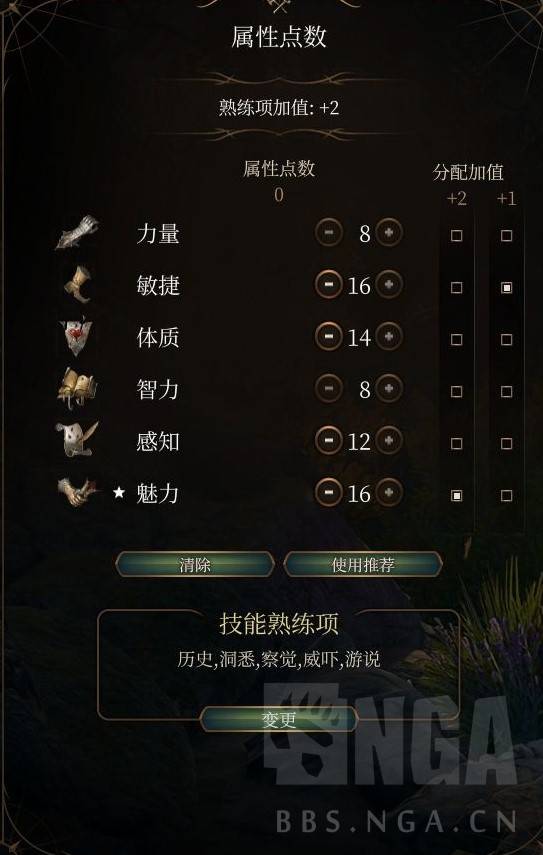
Third is neglecting skill checks and party dialogue. Having a character with high Charisma and relevant proficiencies opens entire quest solutions. Fourth is respeccing constantly and never settling; the game allows it freely, but builds need several levels before they come online.
Fifth is rushing the main quest. Several major companions and questlines are missable if you advance acts without exploring, and the game does not always warn you before a point of no return.

Getting Started
Play on the lower difficulties for your first run — the story and the world are the point, and the highest difficulties assume you already know fifth edition rules. Pick a class whose fantasy appeals to you rather than the strongest option; every class is viable on standard difficulty.
Recruit companions early and keep a balanced party rather than four of the same archetype. Save manually and often, especially before major story decisions. Rest more than you think you should. And experiment with non-combat solutions — talking, sneaking, or shoving an enemy into a chasm is frequently the intended answer rather than an exploit.
Best for players who want deep turn-based tactics wrapped in a reactive story, and who enjoy the feeling that a well-prepared party can solve most problems several different ways.
 RPG / Action