 Open World
Ghost of Tsushima Stealth: The Ghost Playstyle and Silent Takedowns
How to clear Mongol camps as the Ghost: tall grass, chain assassinations, Ghost weapons, and the terror that breaks enemy morale.
Ghost·17d ago86.8K views
🗺️ Open World · Paid
Ghost of Tsushima follows Jin Sakai, a samurai defending Tsushima Island against a Mongol invasion, and its central design question is whether he abandons the samurai code to win. Mechanically that translates into two parallel playstyles: standoff duels fought in the open, and ghost tactics that assassinate from the shadows. Both are fully supported, both are viable through the entire game, and the story treats your preference as a thematic choice rather than a difficulty setting.
The world is built to be explored without a waypoint flood. Wind pushes you toward objectives, golden birds lead you to points of interest, and foxes guide you to shrines. It is one of the few open worlds where following a visual cue on the horizon is genuinely more pleasant than opening a map.
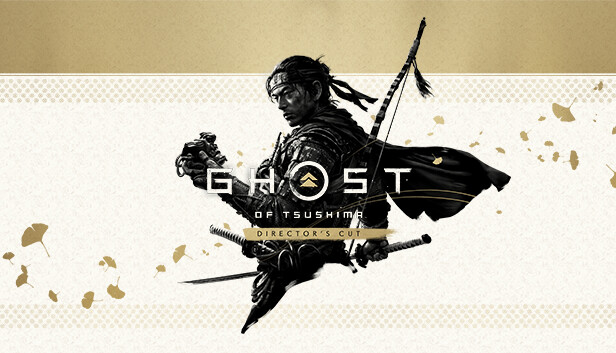
Clear Mongol camps, liberate territory, follow the story, and upgrade. Camps are the structural unit of the open world: each one is a small puzzle of patrol routes, alarm horns, and leaders you can either duel or assassinate. Clearing them reduces enemy presence on the map and unlocks resources.
The standoff mechanic is the signature system. Walking into an enemy camp and challenging them to a standoff lets you cut down several opponents before the fight officially begins, and the timing window is generous enough to feel cinematic rather than punishing.
Stances are the combat backbone, and choosing the right one is what makes fights tractable.
| Stance | Beats | When to use |
| --- | --- | --- |
| Stone | Swordsmen | The default against most standard troops |
| Water | Shieldmen | Essential against shielded enemies who otherwise never open |
| Wind | Spearmen | Breaks spear guards that block every other stance |
| Moon | Brutes | The only stance that reliably handles heavy enemies |
Ghost weapons fill the dishonorable half of the toolkit. Kunai, smoke bombs, sticky bombs, and the terrifying firecracker-based Way of the Flame let you open an encounter by deleting several enemies before combat starts. They are consumable, which means the stealth path has a resource economy the samurai path does not.
Mythic techniques are unlocked by completing specific tales, and they are strong enough to change how you approach entire encounter types — several of them are effectively area-of-effect abilities that no honorable samurai is supposed to have.
Unlock stances early. Each is tied to observing or defeating a specific enemy type, and having Water and Wind online before you reach the mid-game removes most of the frustration players report with shielded and spear enemies.
Use the environment before your sword. Camps are full of explosives, hanging hornet nests, and elevated positions, and a stealth opener that removes three enemies for free is worth more than a perfectly executed parry chain. The game is balanced around the assumption that you will take free kills.
Do the side tales before pushing the main story. Mythic techniques, charm slots, and significant armor sets come from Tales of Tsushima, and several of them arrive late enough that rushing the critical path leaves you under-equipped for the final act.
The most common is fighting every camp head-on as a samurai because it feels more honorable, then concluding that the game is too hard. Open combat is viable, but the game expects you to thin the numbers first. The second is never changing stance, which makes shielded and spear enemies feel artificially tanky.
Third is hoarding ghost weapons. They replenish easily and the game throws resources at you; using them is not wasteful. Fourth is ignoring charms, which provide the largest passive power curve in the game and are easy to overlook because they are just small equippable trinkets.
Fifth is rushing through the world without stopping. Much of the best content — haiku spots, hot springs, bamboo strikes — is optional and tied to meaningful upgrades, and skipping it makes the late game harder than it was designed to be.
Play on a normal difficulty first and do not agonize over the honor system; both playstyles are fully supported and the story accommodates either. Prioritize the stance-unlocking encounters in the first act.
Clear camps as you find them rather than saving them for later, because territory liberation makes every subsequent traversal safer. Spend time on Tales of Tsushima early for the charm slots and mythic techniques. And let the wind guide you at least sometimes — the navigation system is genuinely part of the experience.
Best for players who want a beautiful open world with a complete stealth toolkit alongside a satisfying sword combat system, and who like the idea of choosing dishonor when it is simply more effective.
1 in total
Open WorldHow to clear Mongol camps as the Ghost: tall grass, chain assassinations, Ghost weapons, and the terror that breaks enemy morale.