Overview
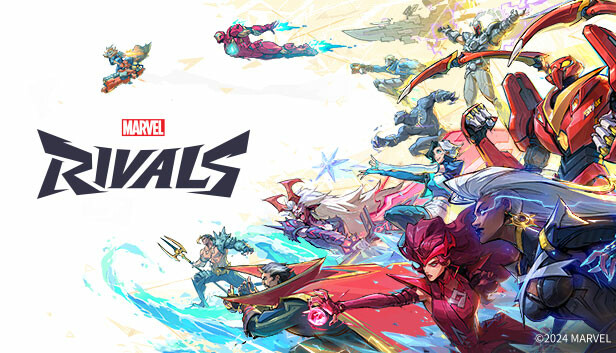
Marvel Rivals is a hero shooter that puts team-up synergy at the centre of its design. Rather than treating each hero as an isolated kit, the game pairs specific characters together for combined abilities, which makes composition genuinely strategic. Add destructible environments and a roster drawn from decades of Marvel comics, and you get a shooter where team building carries as much weight as aim.
It sits between Overwatch's structured ultimates and a more chaotic, ability-dense style. Matches are flashy, the time-to-kill is moderate, and the destructible terrain means the map itself changes as the fight develops — cover you relied on at the start may not exist two minutes later.
The Core Loop
Matches alternate between modes such as escorting a payload, capturing a point, or holding a zone, with rounds short enough that momentum swings are frequent. Because respawns are quick but objectives flip decisively, the game rewards groups that stay alive together and punish teams that trickle in one at a time.
Ultimates charge through damage, healing, and objective participation. Given how powerful most Marvel ultimates are, tracking which enemy ultimates are online is the difference between holding a point and getting wiped. Combining ultimates with teammates is often the only reliable way to break a well-organised defence.
Key Systems
Heroes fall into three roles, and the team composition usually wants a balanced spread with at least two of each.
| Role | Function | Typical heroes | Contribution |
| --- | --- | --- | --- |
| Vanguard | Frontline space creation | Hulk, Magneto, Doctor Strange | Initiate fights, absorb damage |
| Duelist | Damage and eliminations | Iron Man, Spider-Man, Punisher | Secure kills, pressure backlines |
| Strategist | Healing and utility | Luna Snow, Mantis, Rocket Raccoon | Sustain the team, provide buffs |
Team-up abilities are the defining feature. Certain pairs unlock a combined active ability — for example linking a hero to another so that one's presence empowers the other's attacks. These combinations meaningfully change how a hero performs, and building around them is the most distinctive strategic layer in the game.
Destructible environments add a tactical dimension absent from most shooters. Walls, floors, and structures can be demolished by enough damage, which means entrenched defenders cannot rely on permanent cover, and attackers can open new sightlines deliberately.
Strategy That Actually Works
Build around a team-up rather than picking heroes in isolation. Because these abilities are powerful and often define a hero's ceiling, checking which synergies your team can activate before locking in is higher value than picking your personal favourite.
Stay grouped and contest the objective together. The most common losing pattern is players arriving one at a time against a full enemy team. Waiting a few seconds for respawns and pushing as a unit converts disadvantageous fights into even ones.
Learn at least one hero per role so you can flex. Because compositions matter, being able to fill a missing Strategist or Vanguard is far more valuable than maining a single Duelist into a team that already has three.
Use verticality and destructible cover deliberately. High ground provides the usual advantage, but remember that the terrain you are standing on can be removed. Avoid lingering on destructible structures during extended fights, since losing your cover mid-duel is usually fatal.
Common Mistakes
Ignoring objectives to chase kills is the most frequent error — this is an objective game first. The second is never using the team-up ability, which means you are playing a hero at a fraction of its power.
The third is trickling onto the point individually instead of regrouping. The fourth is refusing to switch roles when the composition is clearly unbalanced, which makes winning far harder than any mechanical deficit would.
Getting Started
Start with a Vanguard or Strategist hero with straightforward kits, since those roles teach positioning and team awareness faster than a pure damage dealer does. Spend time in the practice range learning each hero's ultimate animation, because recognising them during a fight is how you react correctly.
Check your team's available team-ups at the start of each round and coordinate one deliberately. Even one coordinated combination per match noticeably improves your win rate.
Best for Marvel fans and players who enjoy team-based shooters where composition and synergy matter as much as mechanical skill.
Team-Ups, Role Balance, and Map Flow
Marvel Rivals leans on team-up abilities, where specific hero pairs unlock an extra power. Building a composition around a strong team-up rather than around five individually favorite heroes is usually the higher-value choice, because those abilities are meaningfully stronger than a marginal hero pick.
Role balance follows the standard hero shooter pattern — a durable frontline, reliable healing, and damage that can pressure the enemy backline. Teams that stack duelists tend to lose sustain wars, while teams with no duelists struggle to convert a won fight into eliminations. Two of each role is the usual stable shape.
Map flow matters because several maps have destructible elements and multiple high-ground routes. Controlling high ground is the most reliable advantage in a hero shooter, and learning which routes let you reach it quickly is worth more than perfect aim from the ground floor.
 FPS / Shooter